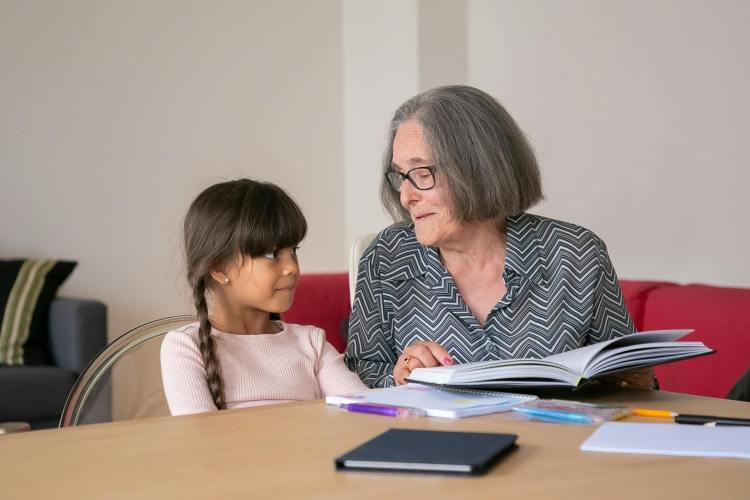
Caregivers are expected to take on a lot of emotional and physical demands when caring for another person. There are some more well-known burdens of caregiving, and many people will promote the importance of respite and self-care for caregivers. There are also lesser talked about side effects of caregiving that I believe are even more important to discuss or at least recognize.
I am referring to the subconscious or maybe even conscious expectations family caregivers put on themselves that are unreasonable and burdensome and that directly impact the caregiver’s ability to meet their loved one where they are in their dementia journey.
Alzheimer’s Disease and other related dementias are progressive diseases, which means that there will be physical and mental decline in the individual who is diagnosed. However, with quality care and attention progression can in some cases be slowed, and it is here that the gray area between the expectations of caregivers can sometimes occur. I want to preface all of what I’m about to say with a few disclaimers. Firstly, I am not a medical professional and am in no way providing you with medical advice. You should always speak with your physician regarding questions or concerns before changing treatment plans. Secondly, family caregiving is a deeply personal journey that is shared by many, and no two journeys are the same. The information I provide may not resonate with everyone, but I hope it reaches the caregivers who need this type of support or reassurance.
Despite the relationship that you had with your loved one living with dementia pre-diagnosis, the relationship you have with them post-diagnosis will need to adapt, and even change. I need to highlight the definitiveness of the changed relationship. So much effort is placed in maintaining a pre-diagnosis relationship. The deep bond that a family member has with their loved ones enhances their ability to become a loving and nurturing caregiver to their loved ones on their dementia journey. With this said, the role of a caregiver is distinctly different than the role of a family member, and choosing to become your loved one’s caregiver also means you assume the responsibility of meeting your loved one where they are no matter where they are. What do I mean by this? I mean that if your loved one naturally begins to progress in their dementia, you have every right to allow them to do this. There is no need to put unrealistic expectations on yourself to try to stop the progression of a dementia diagnosis or any progressive disease process for that matter.
Too often, the family members’ role kicks in when progression starts to become noticeable. Pressure to stop it is often met with forced attempts to get your loved one to remember various aspects of their pre-diagnosis life. Understandably, there is a lot to unpack here: the nuances between a family member and family caregiver as well as the differences between a pre-diagnosis and a post-diagnosis person care approach brings a lot up for interpretation, and again so much of this is situationally based. However, being more intentional in distinguishing these roles is key to a family member’s ability to take on the family caregiver role with less pressure and unwarranted expectations placed on them.
The family member is an exceptional advocate for the family caregiver, and that is why a family caregiver is so special. They are there to remember for both parties and to take away the burden of remembering for the individual living with dementia. Creating a safe space for their loved one to progress in their disease process is a difficult yet beautiful aspect of care that only sometimes occurs in more controlled settings. To offer a safe space for your loved one to be fully in their progression with dignity and as much autonomy as safely provided is a strength, not a deterrent. Too often family caregivers take on a sense of guilt for their loved ones’ progression if they somehow could have stopped the progression from occurring. This just isn’t so. Yes, there is a lot that can be done to ensure the dementia process is slowed and there are direct correlations between quality of care and the progression rate of symptoms, but that does not mean that the family caregiver must work to try to stop the progression altogether.
Accepting memory loss is one of the first steps in differentiating the role of family members and family caregivers. At this time in modern medicine, there is no cure for Alzheimer’s or other progressive dementias. This means that even with the highest quality of care an individual with this disease will have a progression that occurs with some form of memory loss. While this is not the only symptom of these diseases it is the most emotional one for many family members to have to grapple with because there is a real sense of loss that occurs when your loved one no longer remembers who you are. However, the acceptance of this symptom allows you to move forward into your caregiving role with dignity and pride knowing that this is not something in your control. It releases you from the burden of finding a cure and allows you to embrace this new evolution in your relationship with your family.
They need you. This is a changed relationship for them too and I believe they know this from the onset. They know that what you are taking on is something neither one of you probably has ever discussed. This next phase will test your bond more than anything that has happened in the past and they will have to trust you with the most intimate pieces of their life. This includes memory loss.
If you find yourself struggling with your loved one’s memory loss, I encourage you to grieve through it. Grieve for the person you once knew and through the grief move forward into your caregiving journey. Understanding that this is a part of the process and that while there may be moments of lucidity and clarity for your loved one the new normal for them will be very much in the moment, they are not focusing on the past they are only motivated by their emotions in the moment. Yes, they may ask to go home or see their small children or maybe even their parents which we can discuss more ways to handle these types of regressions, but the core understanding of who you are and how you are related to them for them is no longer important for no other reason then what is happening to them is so big and so confusing that all efforts are spent searching for a piece of themselves. I don’t mean to be sad or to be dramatic; I only say this because if we were for just a moment to put ourselves in their shoes, we would understand that memory loss is only a small percentage of what they must be experiencing and experiencing alone. I am always amazed at the resilience of someone living with dementia and in this new phase of their life, I encourage family caregivers to take opportunities to get to know their loved one now. Make notes of when they are most active, what their favorite foods are, when they like to nap, and what triggers them the most. It is in refocusing our efforts on these details that we can best provide care to a family member.
 The Upside to Aging